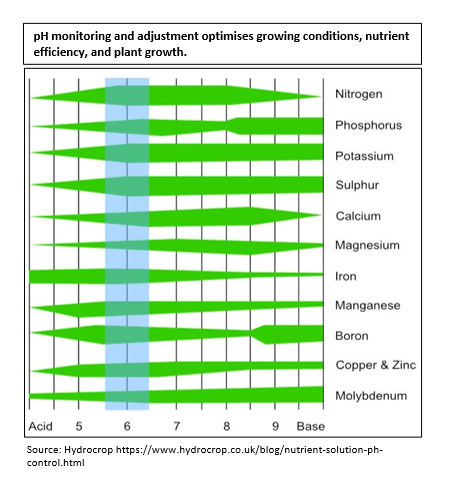
 | Guide to Optimising pH for Hydroponics Asian Leafy VegetablesAsian leafy vegetables each have their own ideal pH range, making careful pH management essential for healthy growth, nutrient efficient growth and optimal yields. Guide to optimising pH for Hydroponics Asian Leafy Vegetables |
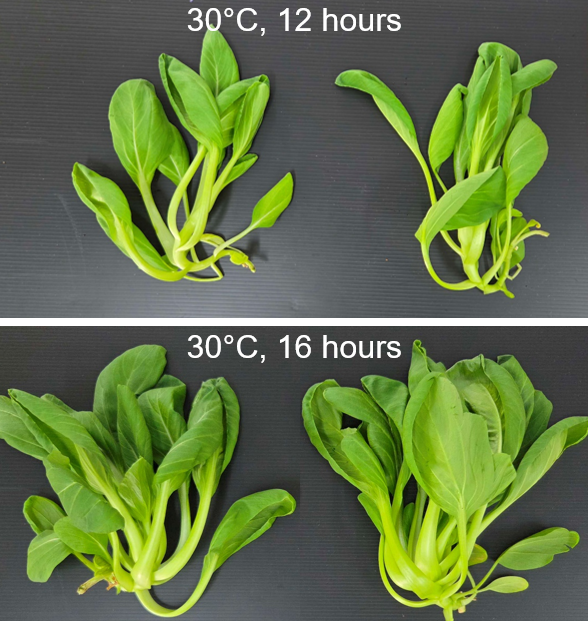 | Guide to Optimising Indoor Nursery ConditionsA practical guide for optimising indoor nursery conditions for higher vegetables yields based on SFA's research findings. Guide to optimising indoor nursery conditions |
 | Guide to Nutrient ManagementThis guide explains the importance of each nutrient for plant growth and how to identify when nutrients are deficient. Guide to nutrient management |
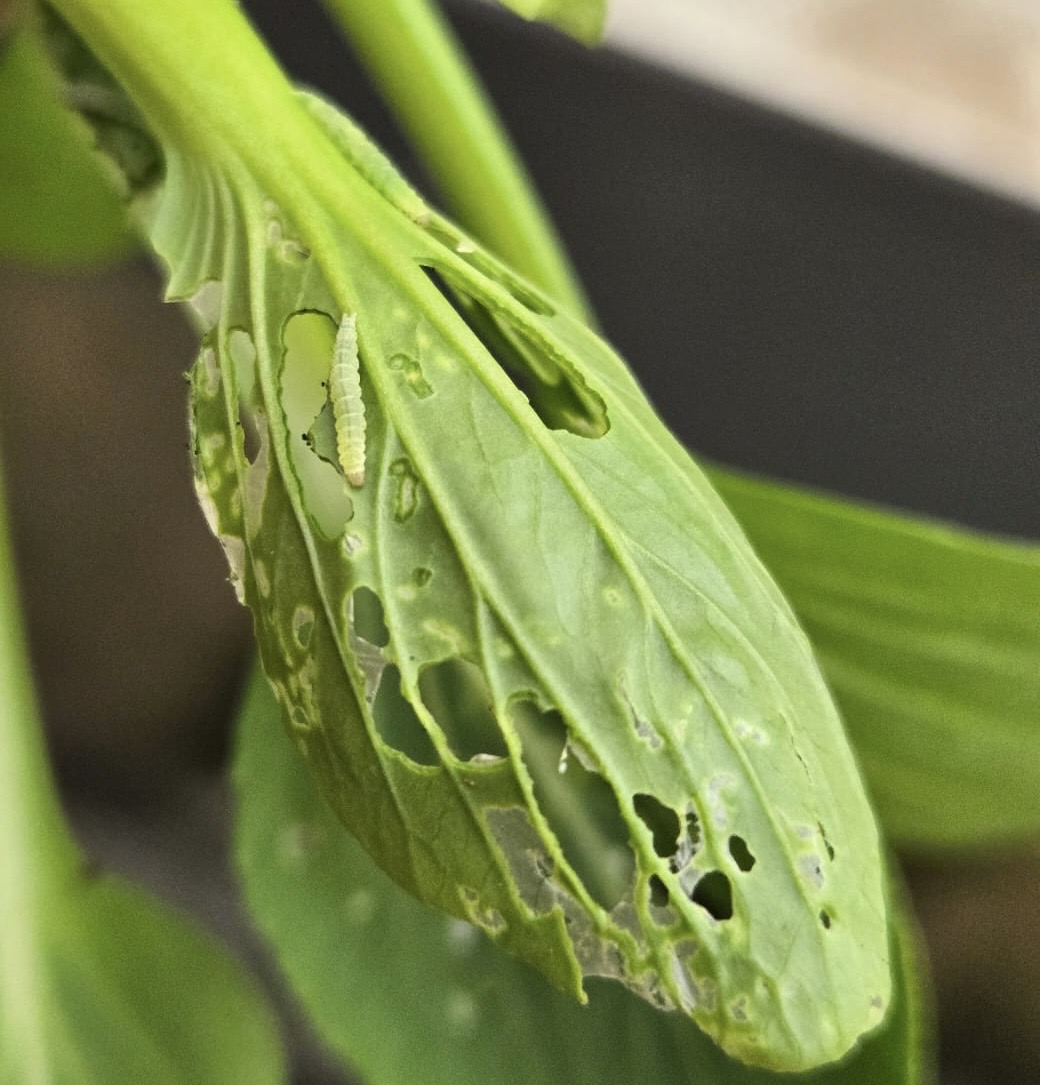 | Guide to Pesticide ApplicationThis guide outlines pre-, during and post-application of pesticides. List of common pesticides included. Guide to pesticide application |
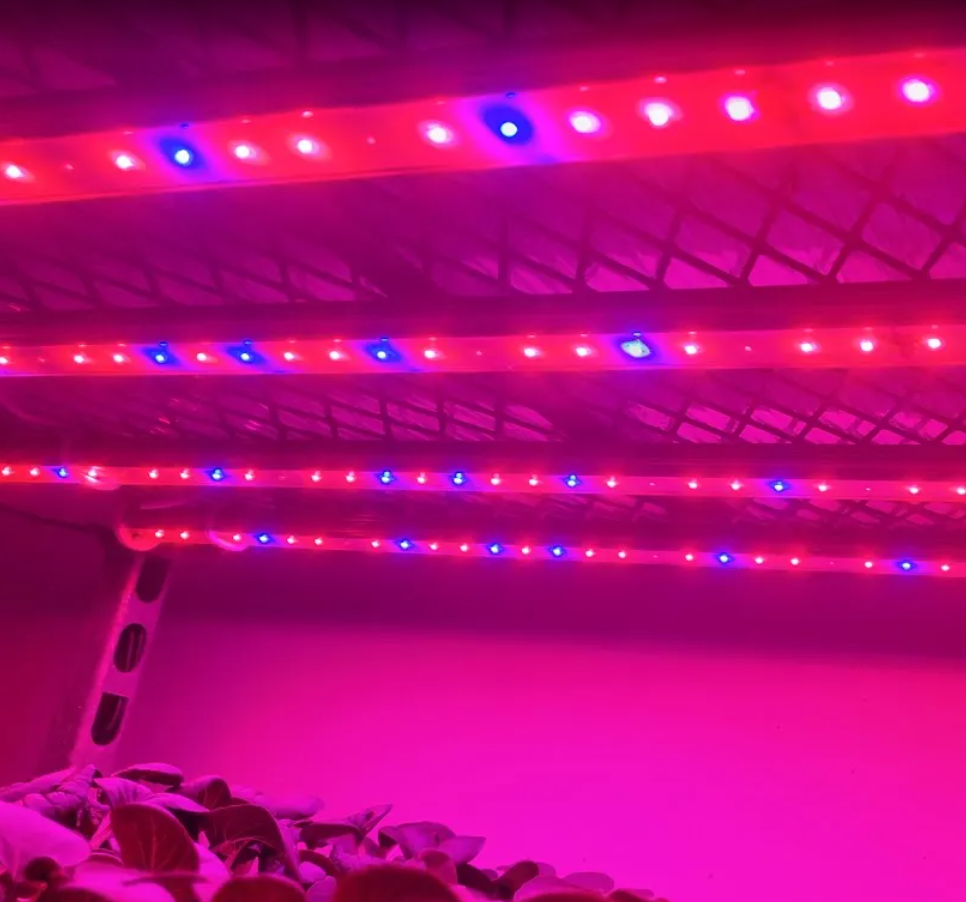 | Guide to Light Use Efficiency for Indoor Crop ProductionThis guide explains how to improve the light-use efficiency in an indoor farm for better productivity and lower cost of production. Guide to light use efficiency |
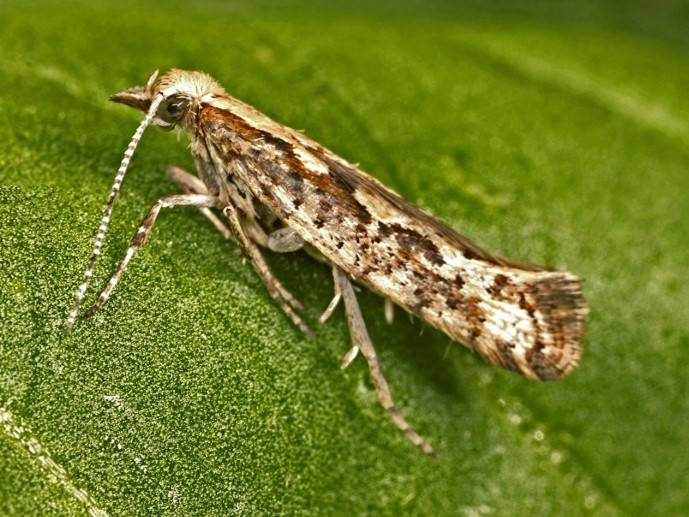 | Guide to Diamondback Moth (Pest Management)This guide introduces the diamondback moth (DBM), a common insect pest and methods to manage it. It includes details to purchase pheromone traps. Guide to diamondback moth (pest management) |
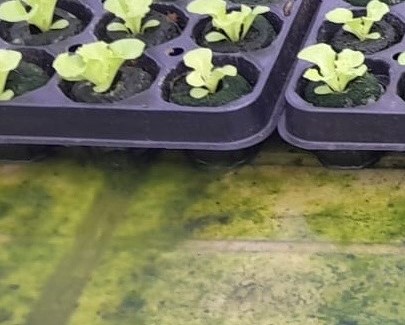
| Guide to Algae and Biofilm ManagementThis guide outlines the risks, safety concerns and cleaning/sanitizing instructions of algae and biofilm in tropical hydroponic systems. Guide to algae and biofilm management |
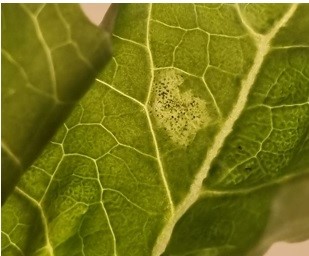 | List of Biological Control Agents (BCAs) for Vegetable Farms in SingaporeThis document lists approved biological control agents (BCAs) for use on vegetable farms in Singapore. List of BCAs for vegetable farms in Singapore |
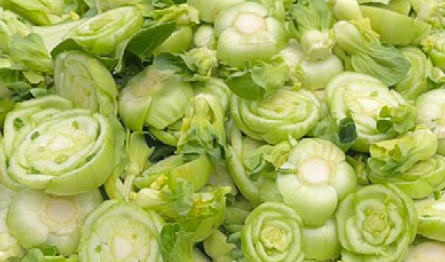 | Guide to Waste MattersThis guide includes an overview of “wastes” generated from our farms and to rethink these “wastes” as “by-products”. Also includes tips on how to track and record these by-products, and possible valorisation pathways. Guide to waste matters |
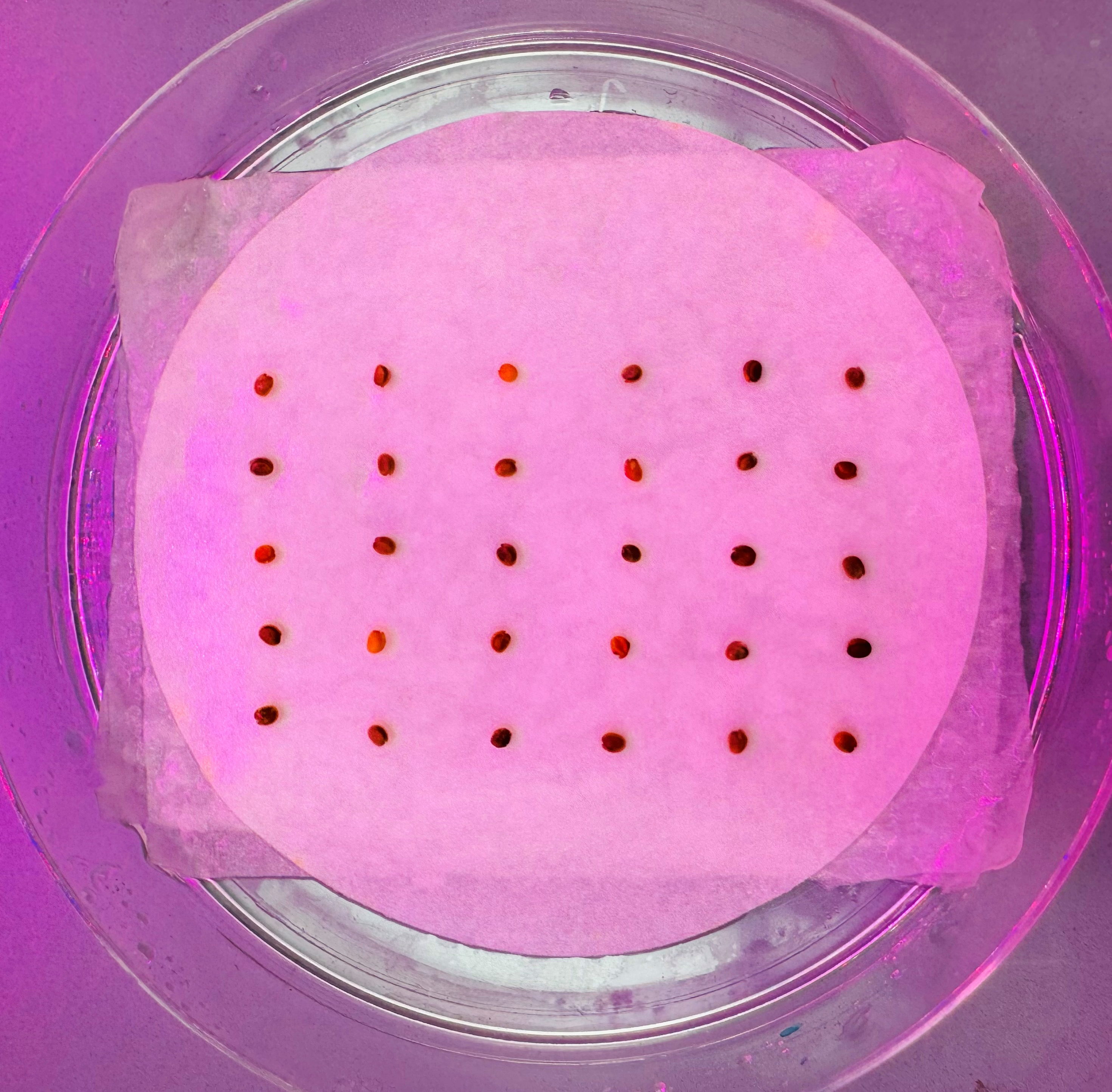 | Guide to Seed Selection and StorageQuick user guide on vegetable seeds management and understanding the value of high-quality seeds. Guide to seed selection and storage |
 | Guide to Carbon Accounting for farmsThis guide introduces the importance and purpose of carbon accounting and how farms can account for their greenhouse gas emissions. Guide to carbon accounting for farms |
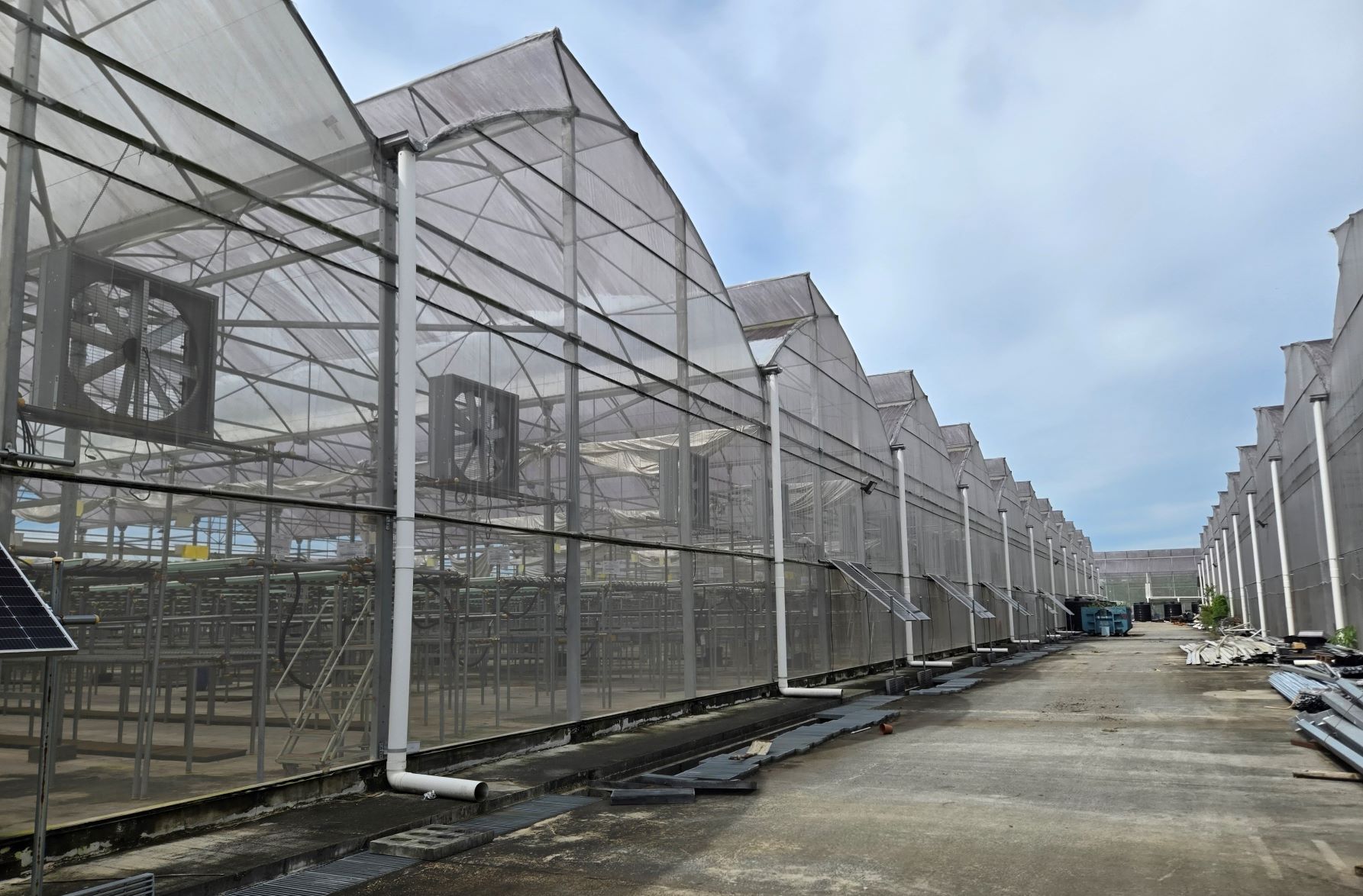 | Guide to Hydroculture (soilless farming)This guide outlines greenhouse designs and benefits of soilless farming, along with suitable vegetable varieties to grow. Guide to hydroculture (soilless farming) |
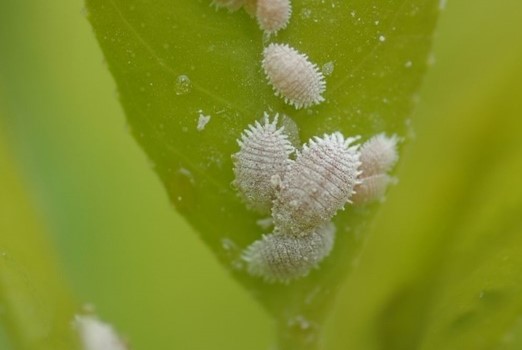 | Guide to Pest Management for farmsThis guide outlines the concepts of pest management, including best practices for prevention and tools for control. Guide to pest management for farms |
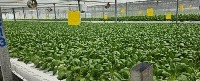 | Guide to Mobile Gully System for farmsThis guide includes benefits and challenges of mobile gully system. It details the uniqueness of the system that allows for optimized leafy vegetable growth. Guide to mobile gully system |
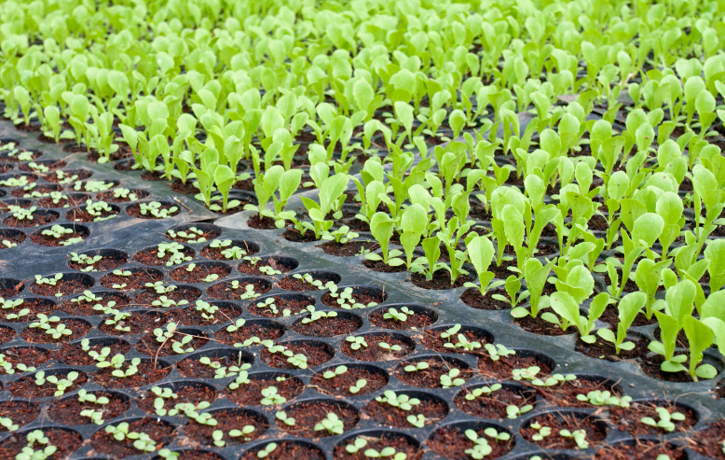 | Guide on Nursery Management for farmsThis guide provides information on the recommended seedling growth conditions in nursery facilities, along with tips for germination. It provides insights to enhance nursery management practices. Guide on nursery management |
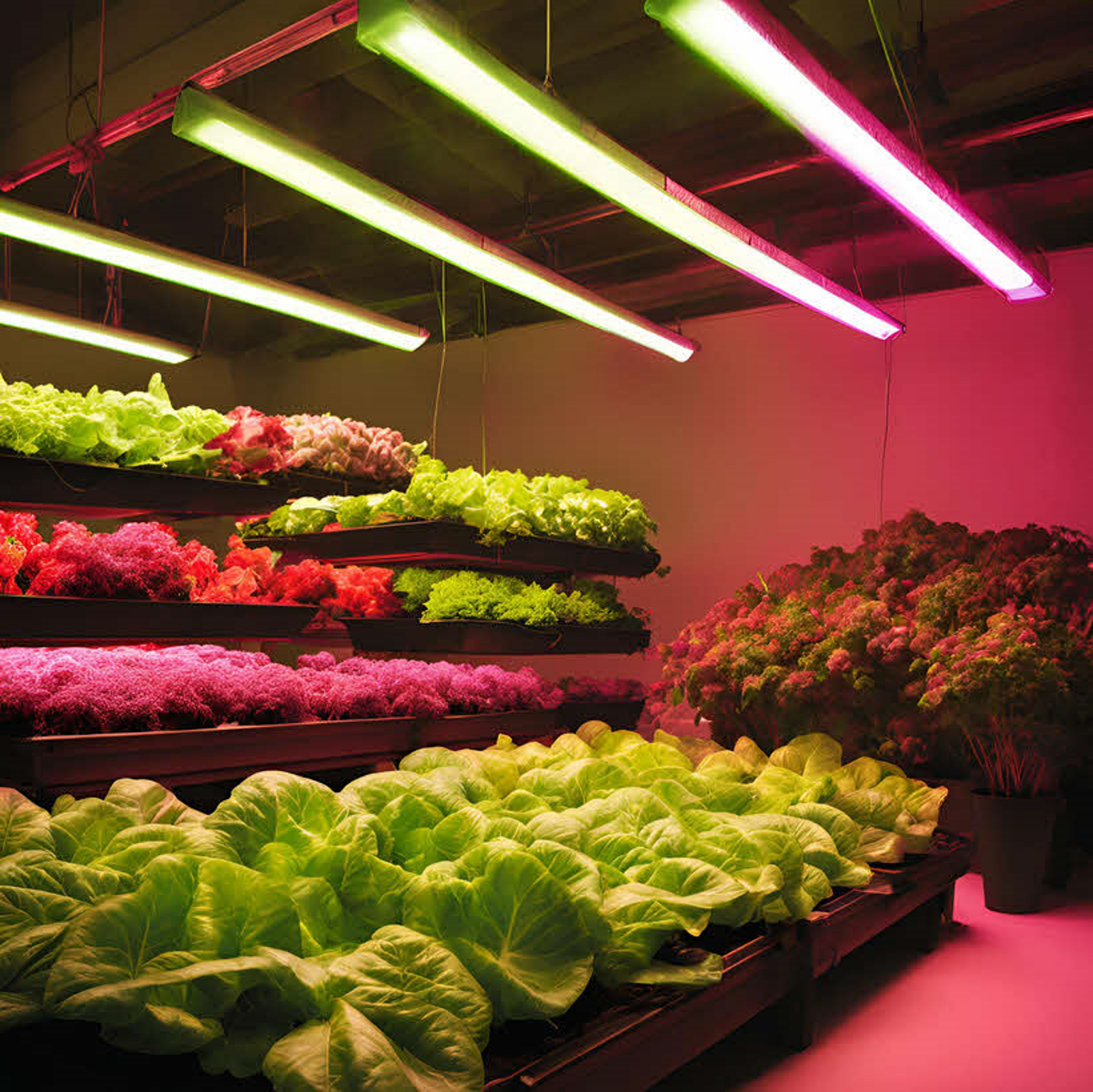 | Guide on effects of light spectrum in light-emitting diode (LED) grow lights for farmsThis guide covers how the light spectrum in LED grow lights and different wavelengths can influence leafy vegetable growth. Guide on light spectrum in LED grow lights for farms |
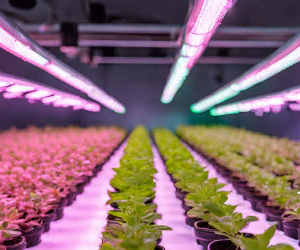 | Guide to light-emitting diode (LED) grow lights for farmsThis guide provides tips on choosing the right LED grow lights for farms. It includes information on the common terminologies and what to consider for LED light energy efficiency. Guide to LED grow lights for farms |
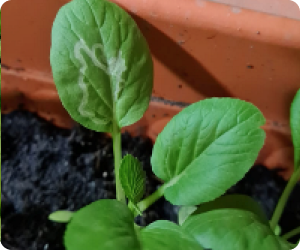 | Guide to Integrated Pest Management (IPM) for Singapore vegetable farmsThis guide provides information on IPM and how you can use it to monitor your crops and manage pests and diseases. Photos of common pests and diseases like aphids, diamondback moths, bacterial rot, and mildew are also included. Guide to IPM for Singapore vegetable farms |
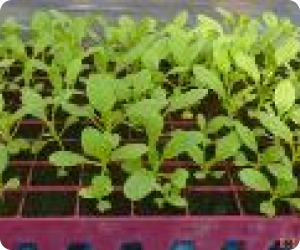 | Growth performance of xiaobaicai under different light conditionsSFA conducted trials to understand the growth performance of xiaobaicai seedlings under different light conditions. Seedlings with 25% shade were found to have the highest yield. Download this resource to learn more about the trials. Growth performance of xiaobaicai under different light conditions |
 | Use of biochar for growing vegetablesSFA conducted a study to investigate the impact of adding biochar to the soil for growing xiaobaicai. Biochar is a type of charcoal. As biochar has a lot of tiny holds, it holds more nutrients and water than soil. Xiaobaicai grew the best when 30% of the soil was made up of biochar. Use of biochar for growing vegetables |
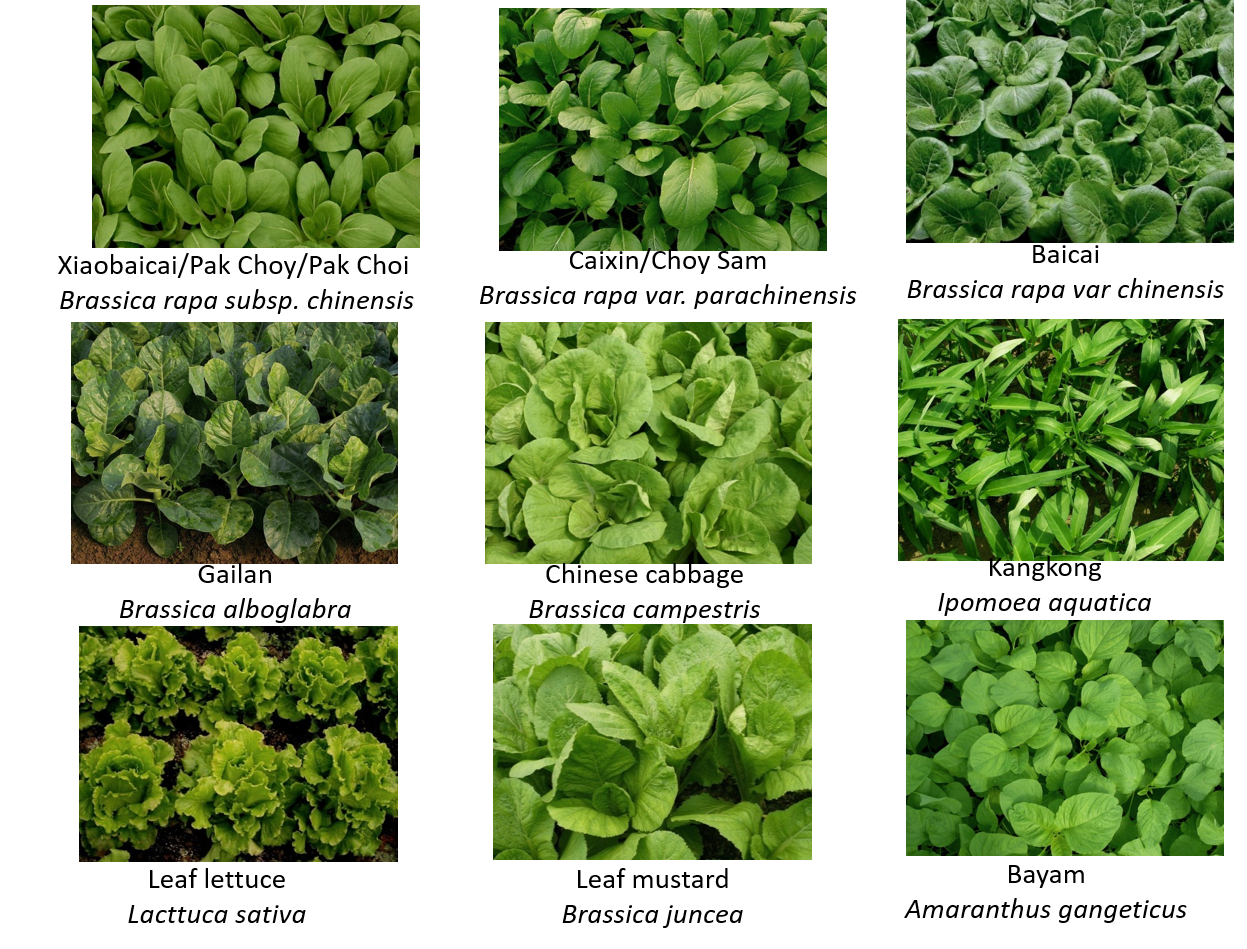 | Guide to Grow Asian Leafy Vegetables (greenhouses, with soil)Includes transplanting and harvesting times, fertilising schedules and amounts, as well as estimated yield. Guide to grow Asian leafy vegetables (greenhouses, with soil) |


