Introduction
Honey is more than just a sweet ingredient. It’s comfort food, a natural remedy, or a souvenir we give from our travels. But what if the jar of honey sitting on your kitchen shelf could make you sick?
Unknown to most, honey might contain naturally occurring poisons known as grayanotoxins.
When “Natural” Isn’t Always Safe
Grayanotoxins are plant-derived toxins that are primarily produced by species of the Rhododendron genus.1 Bees may collect nectar from rhododendron flowers in some regions of the world - especially parts of Turkey, the Black Sea coast, Nepal, and the Caucasus .2 The resulting honey, often called “mad honey”, can contain significant levels of grayanotoxins.
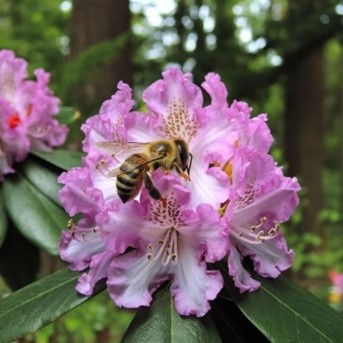
Image by Freepik
What Happens If You Consume Honey Contaminated with Grayanotoxins?
The symptoms can appear within minutes to a few hours and may include2:
- Nausea and vomiting
- Sweating and dizziness
- Blurred vision
- Tingling sensations
- Drop in blood pressure
Why “Unknown Honey” Can Be a Risk
The Singapore Food Agency (SFA) adopts a science-based risk management approach to ensure food imported into Singapore, including honey are safe. Honey brought in from unknown sources as a form of gifts, souvenirs, or for personal consumption, might be sourced from Rhododendron nectar. This honey source may be contaminated with grayanotoxins at levels that make people fall sick.
Who is most at risk of consuming contaminated honey?
- Travellers purchasing honey from markets abroad, especially in regions where Rhododendron plants are common (such as parts of Turkey, the Black Sea region, Nepal, and some areas of the Caucasus).
- Individuals buying honey online from unknown or unverified sources, particularly if the origin is not clearly labelled.
- Families and friends receiving honey as gifts without knowing its origin.
- Young children, pregnant women, the elderly, and individuals with underlying heart conditions, are more susceptible to the adverse effects through exposure to grayanotoxins from honey consumption. While most people recover with medical care, consuming contaminated honey could potentially be dangerous for these groups of consumers.
How You Can Stay Safe
- Buy honey only from SFA-licensed retailers. Look for proper labelling, such as country of origin.
- Be cautious when buying honey overseas or online. If the honey is unlabelled or the origin is unknown, do not consume it.
- Discard honey with a bitter taste as it could be contaminated.
- Seek medical help immediately if you experience sudden dizziness, nausea, or heart problems after consuming honey.
Do you know that consumption of honey is risk for infants? Find out more in our RAAG on Honey and Infant Botulism
References
(1) Chain, E. P. o. C. i. t. F.; Schrenk, D.; Bignami, M.; Bodin, L.; Chipman, J. K.; del Mazo, J.; Grasl-Kraupp, B.; Hogstrand, C.; Hoogenboom, L.; Leblanc, J.-C.; et al. Risks for human health related to the presence of grayanotoxins in certain honey. EFSA Journal 2023, 21 (3), e07866. DOI: https://doi.org/10.2903/j.efsa.2023.7866.
(2) Jansen, S. A.; Kleerekooper, I.; Hofman, Z. L. M.; Kappen, I. F. P. M.; Stary-Weinzinger, A.; van der Heyden, M. A. G. Grayanotoxin Poisoning: “Mad Honey Disease” and Beyond. Cardiovasc. Toxicol. 2012, 12 (3), 208–215. https://doi.org/