What are the safety risks associated with eating melons?
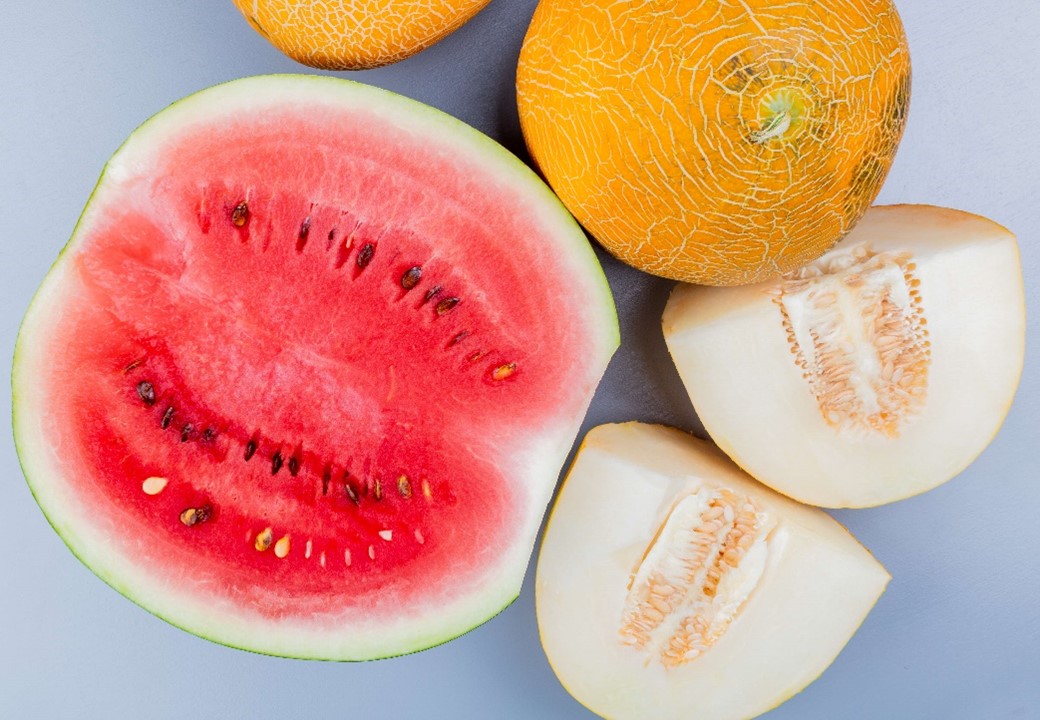
Melons can come into contact with pathogens at any stage of the food supply chain. At the pre-harvest stage, melons are vulnerable to contamination from soil and water as they grow in contact to the ground. This is especially so for melons with rough-textured rinds, such as cantaloupes, as they have net-shaped rinds which are difficult to clean. Aside from surface contamination, pathogens may also infiltrate into the melon flesh through wounds caused by damage or pests, splits and fissures, or stem scars.
Meanwhile, post-harvest factors contributing to melon-related foodborne outbreaks include infected food handlers, poor hygiene practices, inadequate temperature control, and unhygienic food contact surfaces.
Common pathogens associated with melon contamination include Salmonella, Enterohaemorrhagic Escherichia coli (EHEC), norovirus, and Listeria monocytogenes. Symptoms from these pathogens can vary widely, and vulnerable groups such as young children, pregnant women, and individuals with weakened immune systems, are more susceptible to serious conditions.
For more information on these pathogens, read our article on Food Contaminants.