When we think of eating fish, we usually imagine a sumptuously nutritious meal. But there is a hidden danger in the ocean that can make this delicious food a health risk – ciguatoxin.
Ciguatoxins are harmful substances produced by two specific types of marine algae, known as Gambierdiscus and Fukuyoa. These toxins can enter the food chain when herbivorous marine animals consume the algae containing ciguatoxins. Larger predatory fish that eat these marine animals can then accumulate the toxins in their bodies. Certain types of coral reef fish— like Leopard Coral grouper, Lyretail, and Tiger Grouper— are more likely to be contaminated with it because the algae that contain ciguatoxin live in a similar marine environment.
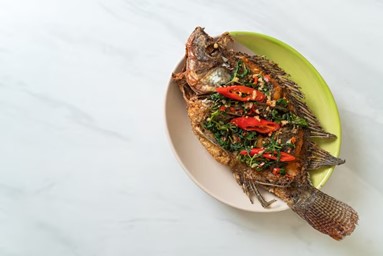
Image by Freepik
Ciguatera poisoning (CP) is an illness resulting from the consumption of marine organisms containing ciguatoxins. Generally, the symptoms are acute and appear within several hours of consuming contaminated food. They include vomiting, diarrhoea, slow heart rate, muscle weakness, headaches, numbness and tingling, and a reversal of temperature sensation (e.g. cold things feel hot). Normally CP is not fatal, but it can worsen the effects of any existing cardiovascular or nervous system health issues. These symptoms are mostly resolved after 6 months.
Additionally, it is possible for affected individuals to be susceptible to recurrent CP symptoms when consuming certain food and beverages (mainly alcohol, fish, and nuts). However, the exact mechanism for recurring CP symptoms is currently not known.
CP is an emerging global health issue and is increasing in prevalence due to several factors, including climate change. The warmer temperatures may proliferate the growth of these ciguatoxins-containing algae, thereby increasing the likelihood of the algal bloom occurring. In addition, climate change is likely to affect the feeding behaviour in fish and may have other unexpected effects as weather patterns change. The increasing number and severity of tropical storms can disrupt the local algae beds and contaminate areas that had previously not been associated with CP.
SFA is closely monitoring international developments on ciguatoxins and will review our food safety measures where necessary. Fish importers and handlers should ensure that fish are not sourced from areas known to be at risk of ciguatoxins.
Food safety is a joint responsibility. Consumers can also play their part to ensure food safety. Here are some tips for you: